
Filter by
Food Safety news (335)
RSSDo you know how Animal by Products are brought to good use and controlled in the EU? A new Commission report gives you an insight.
Commission authorises genetically modified maize for use as food and animal feed
We are pleased to announce the launch of EU grants for projects to reduce consumer food waste! The call for proposals is open to all interested stakeholders, with a deadline to apply by 25 September 2024.
Monthly summary of articles on food fraud - May, 2024. Food fraud cases: milk, herbs and spices, fruits and vegetables, olive oil, seafood, rice, meat, honey and beeswax, carbonated drinks, eggs, sugar, alcoholic beverages, flour.
The European Commission has appointed Lorena Boix Alonso to the function of Deputy Director-General responsible for ‘Public Health, Cancer and Health security', ‘Digital EU4Health and Health Systems Modernisation', ‘Medical Products and Innovation' within DG SANTE
Welcome to the May edition of the Hub’s newsletter, bringing you the latest news and resources in food loss and waste prevention.
Monthly summary of articles on food fraud - April, 2024. Food fraud cases: honey, wine and alcoholic beverages, rice, spices, sugar, fruits and vegetables, meat, seafood, vegetable oils, milk and dairy products, non-alcoholic beverages, eggs, coffee.
Welcome to the April edition of the Hub’s newsletter, bringing you the latest news and resources in food loss and waste prevention.
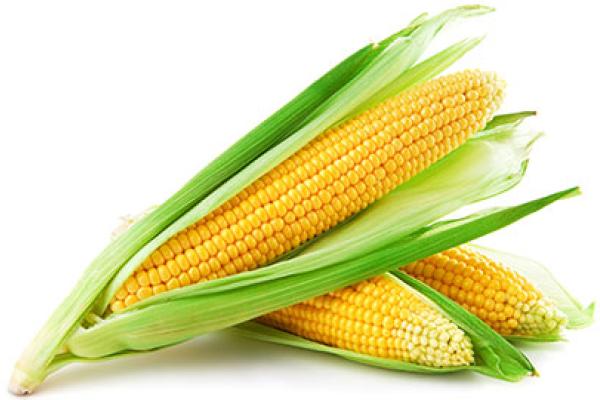
EFSA published a new opinion on renewal of genetically modified maize MON 89034 × 1507 × MON 88017 × 59122 and 8 subcombinations for food and feed uses on 29 April 2024. In accordance with Regulation (EC) No 1829/2003 on genetically modified food and feed, the public may make comments on this opinio
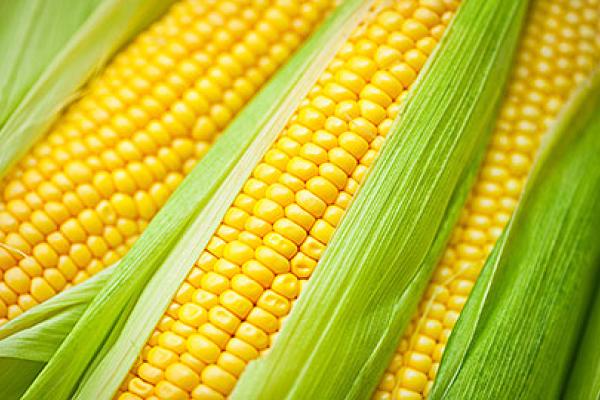
EFSA published a new opinion on renewal of genetically modified maize MON 89034 × 1507 × NK603 for food and feed uses on 26 April 2024. In accordance with Regulation (EC) No 1829/2003 on genetically modified food and feed, the public may make comments on this opinion during 1 month.